
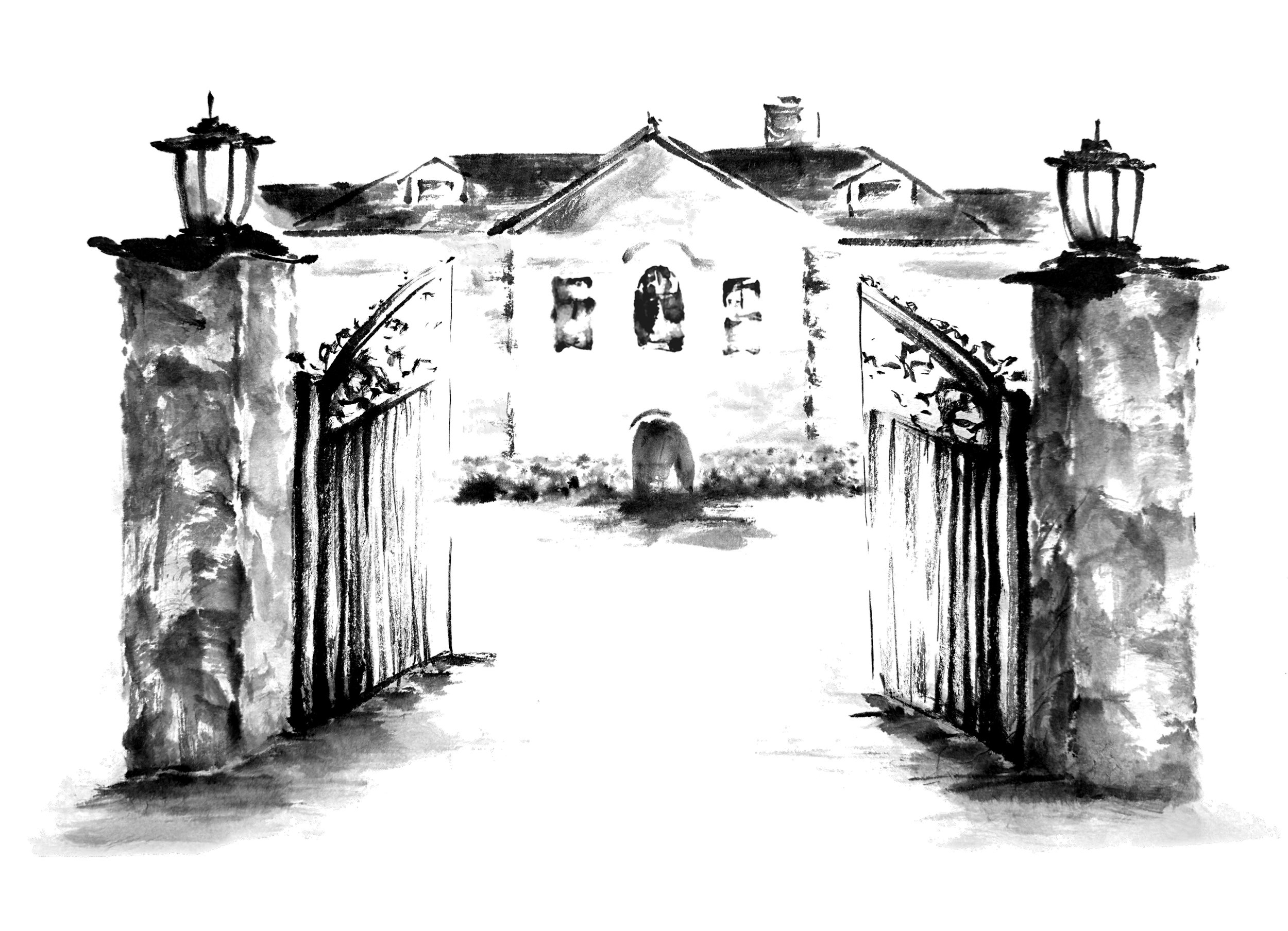
My career was borne out of proximity to material excess. My father, a Polish-American immigrant, ran a small gallery with other Polish artists in Greenwich, CT, a well-known enclave of East Coast wealth. He sold paintings, painted furniture and home murals. My mother helped run the shop. We lived modestly, in a working-class town nearby. I sometimes accompanied my dad to see clients. His battered pickup would roll through wrought-iron gates onto lush grounds, where neatly trimmed hedges framed grand manors. Their owners would emerge onto cobblestone driveways, dressed and groomed like people I saw in glossy magazines with thick pages. They stood in stark contrast to my dad’s paint-encrusted clothes and hands. To a young kid, this was success—not their achievements, just their picturesque lifestyles. Many were investment bankers, and my career choice was as simple as that.
Fast forward to college graduation: I started a job in mergers and acquisitions, with dreams of first class flights in fancy suits. While there, I wore suits, but the only flying I did was across Excel tabs. I’d compile hundreds of spreadsheets, and over time wondered whether the numbers they contained added up to anything for society. It seemed like only sometimes. I decided to move on, in search of clearer impact. That said, there’s a silver lining to starting your career in investment banking. Much like greyhound training, they dangle a lure, the cash bonuses, which push you into a high tempo. Even when the incentive disappears, a brisk pace remains.
After leaving finance, I found myself questioning many things, including the nature of knowledge itself —so joined a cognition lab that studied how people form causal beliefs. My research interest was how we track the frequency of causal events - like observing an animal act friendly in 9 out of 10 encounters, and determining how that’s encoded into intuition. While the research felt promising, it was difficult to see how publishing would matter - cognition journals rarely influence the zeitgeist. Devising ways for scientific ideas to reach mainstream markets seemed more impactful. I decided to join a digital agency to learn more about the modern media landscape.
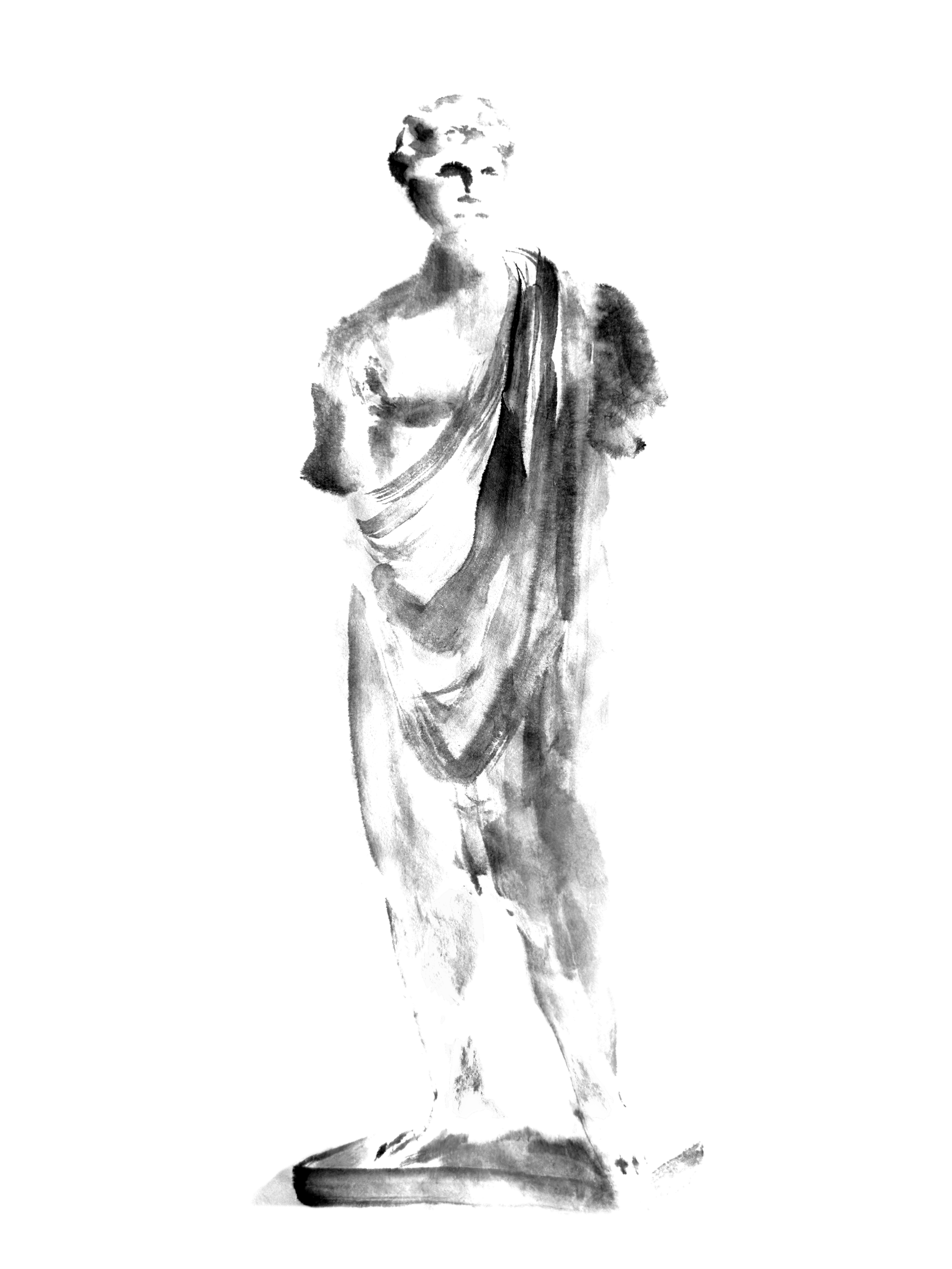
The agency brought me to NYC, and provided a fun introduction to the city, as we worked for several NY landmarks like Ellis Island and Lincoln Center. These projects were creative-focused, which made me think a lot about the tradeoff between content quality and quantity. Particularly whether artisanry was naively left behind in the old world as it gave way to the new. So I began chiseling away at web assets like they were renaissance sculptures, in hopes that refinement would draw crowds. And it did, engagement improved with quality. While an interesting angle to explore, I sought to understand the scientific rather than artistic side of media.
I consequently joined a firm founded by former Obama campaign quants who did a lot of political work. They framed marketing as a series of math problems to be solved with computer scripts. So for example, when selecting audiences and TV slots for an ad, they’d algorithmically optimize towards the highest lift for the lowest cost. Media buying at first glance seems boring, but often involves statistically modeling causality or solving NP hard problems. I was drawn to the academically boundless nature of this lens, and decided to further explore it in the private sector.
My next role was at a more traditional ad agency, where my work centered on writing machine learning algorithms. When I finished a script I felt proud, like a mechanic gazing upon a glistening, suspended engine. The code never roared, but performance metrics flashed on screens, and guided the next round of tune-ups. It was easy to become absorbed in this improvement cycle, and overlook how much success relied upon stakeholder alignment. Which was well served by quietly listening to people’s needs. This offered a nice mental break from writing code, which requires constantly projecting your thoughts onto something.
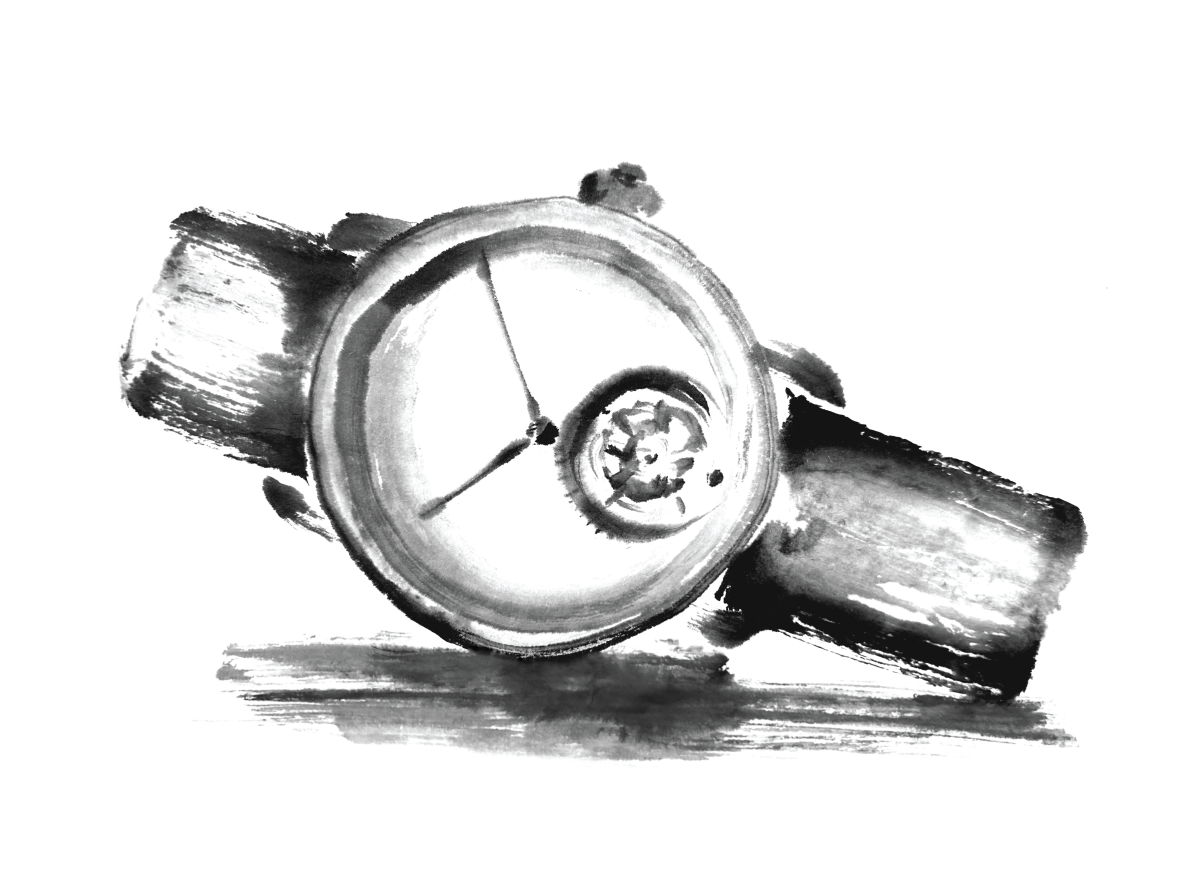
While at the agency one of my accounts - a US grocery holding company - wanted to build an in-house ad network for themselves and their suppliers. I joined the network to lead its machine learning practice. While there, a core challenge was scaling predictive models across diverse vendor ecosystems, which is not unlike tourbillon watchmaking. Tourbillon is French for whirlwind, and a watch component that whirls the position of the mechanism generating a watch’s ticks. The tourbillon rotates it into different positions relative to gravity, which increases timekeeping accuracy. Making even the smallest tweaks to a tourbillon requires careful consideration of the mechanism it’s rotating, which contains a dense web of interdependent constraints. Getting prediction software to run on different systems was a similarly endless quest to fit a prediction engine within an elaborate mechanism. And while this work draws upon monastic patience, it’s deeply satisfying once everything begins to tick.
Causal Art
At this point I had developed a broad set of skills in science and engineering, and wanted to apply them towards a good cause. So I started building an app that increases mainstream engagement with scientific content. While scientific education is upstream of more direct efforts like sending mosquito nets to villages, I think it’s important. Many of the issues facing modern society, like climate change, are complex. My hope is that when people grasp this complexity, they’ll make better decisions about it.
By Luke Berszakiewicz
March 31, 2026